Gothc Art


Start of the Gothic Period and Its Expansion
The Gothic style began in the High Middle Ages, particularly in the Île-de-France area (around Paris), in the second half of the 12th century. The Abbey of Saint-Denis, rebuilt by Abbot Suger in the 1140s, is considered one of the first examples of Gothic architecture, especially for its innovative use of ribbed vaults and pointed arches, as well as the inclusion of large stained glass windows.
From its origins in France, the Gothic style quickly spread to other parts of Europe during the 12th and 13th centuries. Countries like England, Germany, Spain, and Italy adopted and adapted their own regional styles of Gothic. For instance, English Gothic is known for its fan vaults, while Italian Gothic retained a stronger influence from Roman classicism.
The spread of the Gothic style happened alongside a period of significant economic growth, leading to the construction of many large cathedrals and churches, which became focal points of cities and towns.scubre la belleza del arte gótico y su influencia en la historia.
Features of Gothic Architecture
1. Pointed Arches
This is one of the most distinctive features of Gothic architecture. Pointed arches are taller than round arches, allowing structures to reach impressive heights and windows to be larger.
2. Ribbed Vaults
Gothic vaults are known for their ribbed structure, consisting of intersecting diagonal arches that create geometric patterns. They were lighter than Romanesque vaults, allowing for higher and thinner walls.
3. Stained Glass Windows
The large stained glass windows were not only visually stunning but also served as a form of visual storytelling, often depicting biblical scenes and saints' lives, important for educating a largely illiterate population.
4. Flying Buttresses and Buttresses
These structural elements were crucial for distributing the weight of roofs and enabling the construction of thinner walls and the inclusion of large windows. Flying buttresses are characteristic of Gothic cathedrals, being external arches that connect the walls with external supports.
5. Gargoyles and Sculptural Ornamentation
Gargoyles, beyond their practical use as water spouts, and the abundant sculptural decoration, including finely carved pinnacles, friezes, and capitals, served to beautify Gothic structures and reflect the glory of God.
6. Clerestory Windows
These are high windows located above the side aisles in the main nave of a church, allowing light to enter the central space. In Gothic architecture, clerestory windows are often large and adorned with stained glass.
7. Decorative Richness
In addition to gargoyles, Gothic cathedrals and churches feature rich decoration on almost every surface. Facades, doors, and columns are often adorned with sculptural elements depicting religious scenes, human figures, vegetation, and geometric patterns.
Purposes of Rose Windows
Rose windows, also known simply as rosettes, are generally circular windows with stained glass arranged in complex geometric patterns, often found on the facades of Gothic churches and cathedrals, especially in the west and transepts.
Lighting
Gothic architecture is closely related to the concepts of lighting and aesthetics, reflected in several of its distinctive features:
1. Light as a Symbol of the Divine: In Gothic art, light is a metaphor for the divine. Churches and cathedrals were intentionally designed so that natural light flooded the interior, creating an atmosphere that symbolized the presence and grace of God. Light was considered an element of purification and spiritual revelation.
2. Stained Glass: The inclusion of extensive and colorful stained glass transformed natural light into a color spectacle within the sacred space. These stained glass windows not only illuminated but also educated and inspired through their visual narratives.
3. High Clerestory Windows: As mentioned, these allowed more light into the central naves.
Aesthetics
The aesthetics of Gothic architecture are complex and rich, reflecting the high degree of importance given to beauty as a path to the transcendental experience.
1. Height and Verticality: Gothic architecture emphasizes verticality, which not only creates a dramatic and astonishing effect when viewing the structures from below but also suggests a spiritual aspiration, like an effort to reach the heavens. Gothic cathedrals with their tall towers and spires serve as iconic examples of this intention.
2. Structural Elegance: Despite their massiveness, Gothic structures have an appearance of lightness due to engineering advances like flying buttresses and pointed arches. These allowed for thinner walls and larger openings, giving an impression of elegance.
3. Unity and Harmony: Although Gothic cathedrals may seem extremely detailed and complex, there is a strong sense of unity and harmony in the design. Each element, from windows to gargoyles, is integrated into a cohesive whole that follows a common visual language.
4. Sculptural Details: Sculptural decoration is another distinctive feature that adds to the Gothic aesthetic. This includes statues of saints and angels, reliefs telling biblical stories, and ornamental elements like trefoils and quatrefoils decorating the arches and vaults.
5. Interplay of Light and Shadow: The intentional use of light and shadow, especially in the interior, creates dynamic visual effects. The light filtering through the stained-glass cast’s colorful patterns on the stone.
Romanesque Arch
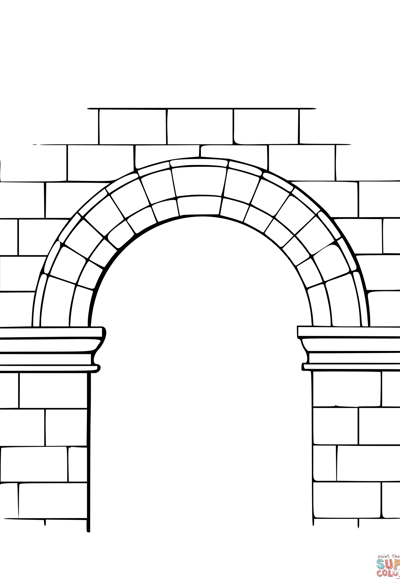
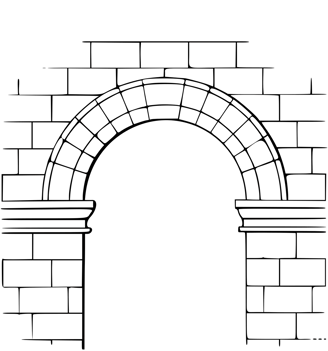
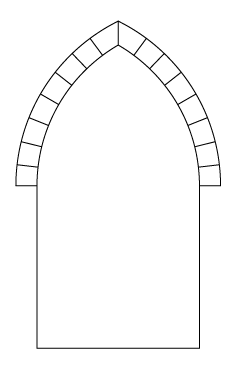
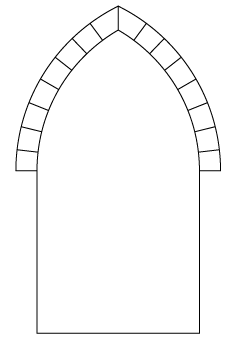
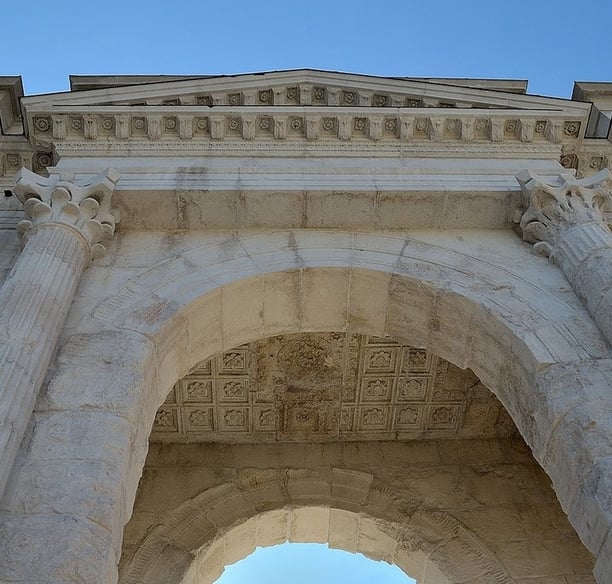
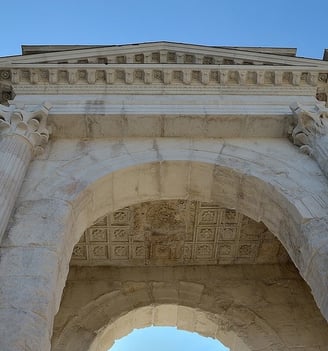
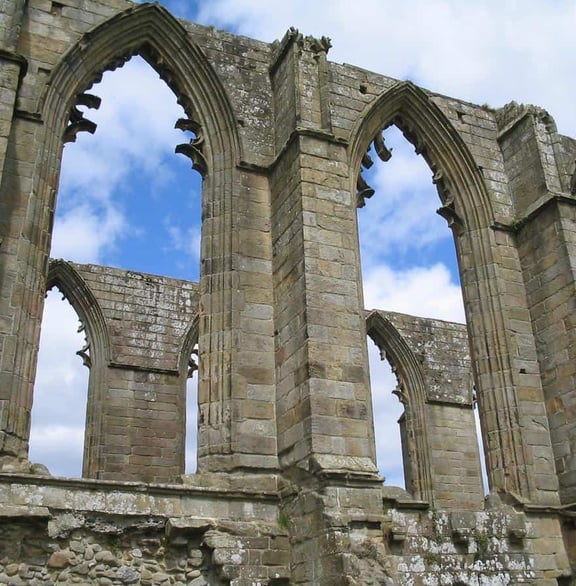
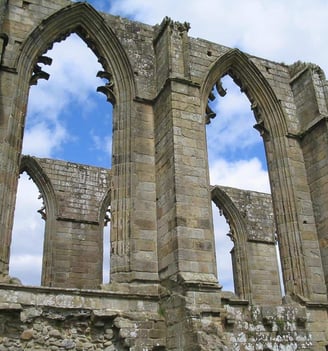
Gothic Arch
Acerca del Arte Gótico
Sumérgete en el fascinante mundo del arte gótico y su evolución a lo largo de los siglos.


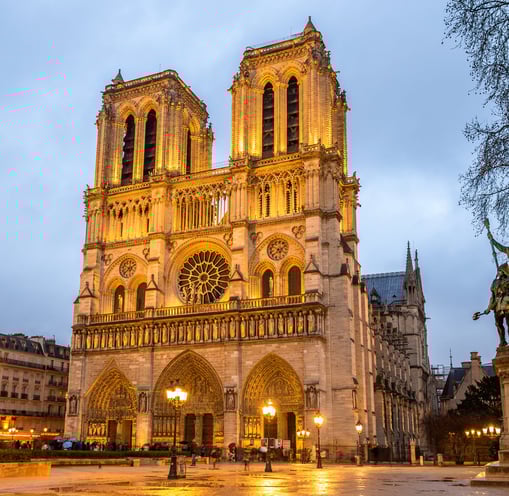
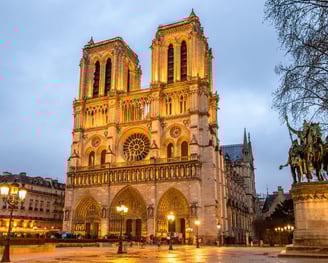
Notre-Dame Cathedral of Paris
- Construction Start: 1163
- Consecration: 1345
The Notre-Dame Cathedral is one of the most famous examples of French Gothic architecture and has been an icon of Paris for centuries.
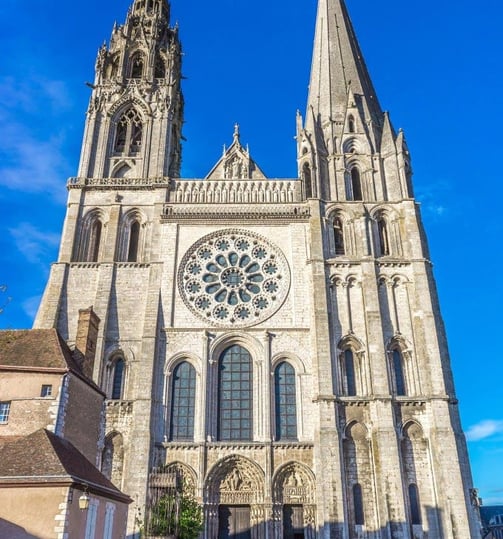
Chartres Cathedral
Construction Start: 1194 (the current construction after a fire destroyed a previous church)
Main Completion: 1220
Chartres Cathedral is renowned for its stained-glass windows and impressively high vaulted ceiling.
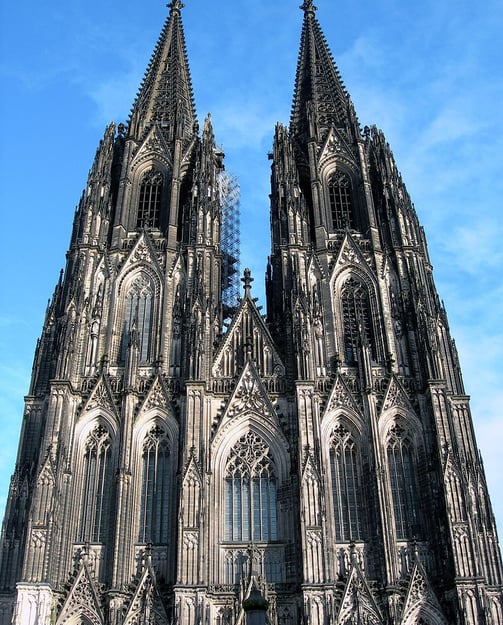
Cologne Cathedral
Construction Start: 1248
Completion: 1880
Although the construction of Cologne Cathedral began in the Middle Ages, it was not completed until the 19th century. It is known for its two tall spires.
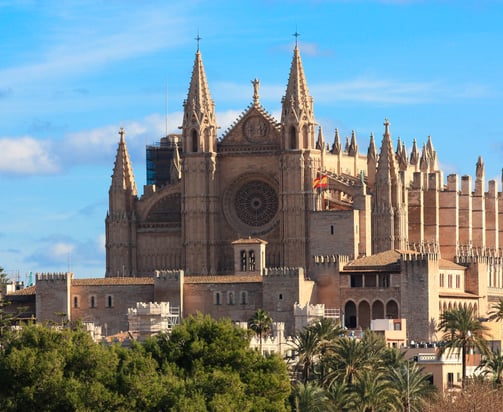
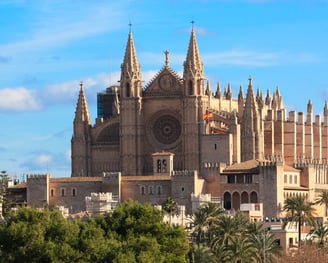
La Seu - Palma de Mallorca
Palma de Mallorca, Spain. Construction began in 1229 and continued in phases until the 17th century, with additional interventions in later centuries, including the 20th century.